- 1DOC says anyone fishing most of Fiordland's rivers and lakes must get a Clean Gear Certificate for all gear at an approved cleaning station within 48 hours before fishing, and carry a sports fishing licence and a didymo cleaning kit.
- 2Didymo is already in Lake Te Anau, Lake Manapouri and other waters, so DOC asks everyone to Check, Clean, Dry all gear between waterways, and felt-soled waders are not permitted.
- 3Hunting on public conservation land needs a DOC hunting permit, and a firearms licence if you hunt with a firearm; game birds also need a Fish & Game licence.
- 4Since 1 October 2026, DOC says the Wapiti Area in Fiordland National Park is an open hunting area, and a hunter who takes a wapiti there must send the Fiordland Wapiti Foundation photographs within 30 days.
01 / Start with the answer
What do I need to fish or hunt in Fiordland?
To fish: a sports fishing licence, a Clean Gear Certificate from the last 48 hours and a didymo cleaning kit. To hunt: a DOC hunting permit, and a firearms licence if you use a firearm.
Fiordland's lakes and rivers carry a freshwater pest, didymo, and DOC's controls are there to stop it spreading. That is why fishing here needs more than a licence: DOC says anglers under these controls must carry a current sports fishing licence, a valid Clean Gear Certificate and an approved didymo cleaning kit. Hunting is a permission from the landowner. DOC says hunting on any land in New Zealand needs the landowner's permission, and on public conservation land that permission is a hunting permit from DOC. The Fiordland National Park Visitor Centre, Te Rua-o-te-moko, in Te Anau lists hunting permits among its services. This guide sets out what DOC says you need. It gives no permit or licence fees, ballot dates or availability: check those with DOC and Fish & Game before you go.
02 / Permissions
Which permission do I need for what?
Each activity has its own permission; some need two.
| Activity | What DOC says you need | Who it points you to |
|---|---|---|
| Fishing most Fiordland rivers and lakes | A current sports fishing licence, a Clean Gear Certificate from the last 48 hours and an approved didymo cleaning kit | An approved cleaning station for the certificate |
| Fishing the Clinton or Worsley rivers or the Ettrick Burn | All of the above, plus a ballot application | Fish & Game |
| Kayaking or packrafting the Arthur River, Sandfly Point to Lake Ada | A permit and a Clean Gear Certificate for non-motorised craft | Not named on DOC's page |
| Hunting on public conservation land | A hunting permit, and a firearms licence if you hunt with a firearm | DOC |
| Hunting game birds | A game bird licence and a game bird hunting permit | Fish & Game New Zealand for the licence, DOC for the permit |
| Any vessel entering the Fiordland Marine Area, even a kayak | A Clean Vessel Pass | The Marine Pathway Plan, an Environment Southland regulation |
03 / Check, Clean, Dry
How do I clean my gear and get a Clean Gear Certificate?
Check, clean and dry everything between waterways; for most fishing, clean at an approved station within 48 hours before you fish and keep the certificate with you.
- 01Know where didymo is.
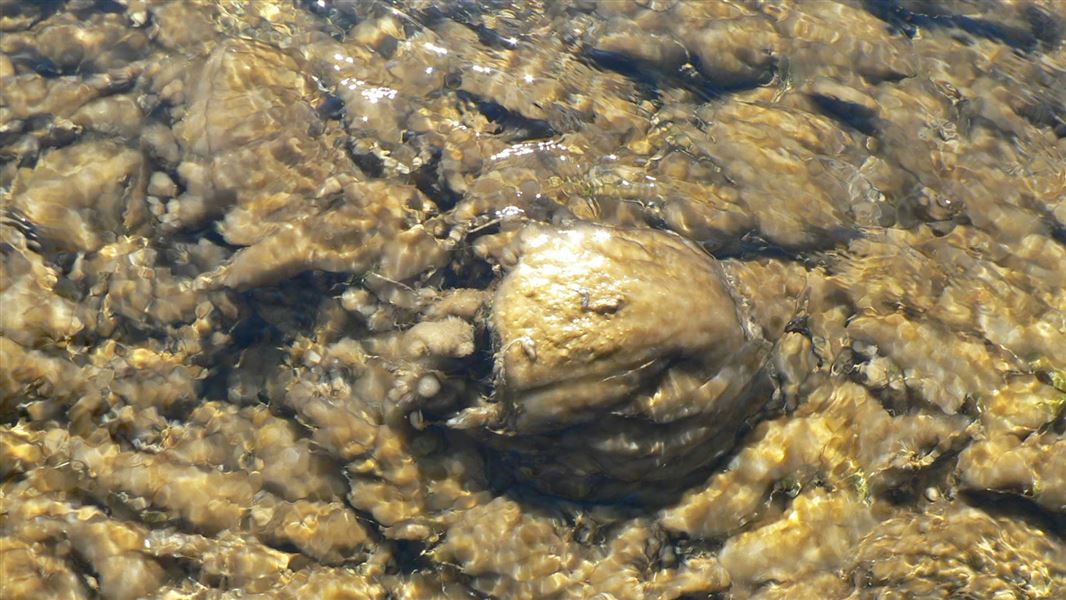
DOC says didymo is found in Lake Te Anau, Lake Manapouri and other lakes and rivers, is in the Hollyford River and has recently been detected in the Kaipo River.
- 02Check, Clean, Dry between waterways.
DOC asks you to Check, Clean, Dry all gear before moving from the lake edge into tributaries or between waterways, to stop the spread of didymo and other freshwater pests.
- 03Or dry it right through.
DOC says gear that has been thoroughly dry to the touch for at least 48 hours before your trip is didymo-free.
- 04Get the certificate before fishing.
For most of Fiordland's rivers and lakes, DOC says get a Clean Gear Certificate for all gear at an approved cleaning station within 48 hours before fishing, and carry it with your licence and cleaning kit.
- 05Leave felt soles at home.
DOC says felt-soled waders are not permitted in the lakes and rivers.
- 06Walking the Milford Track?
DOC says bring dry clothing and boots; damp boots and socks must be disinfected before the track, and there is a cleaning station at Glade clearing.
04 / Waters with their own rules
Which lakes and rivers have extra rules?
No watercraft at all on the Clinton River, none into the tributaries of Lake Te Anau or Lake Manapouri, and a ballot for three fishing rivers.
Each is DOC's, from its freshwater pests, kayaking and Manapouri pages.
- Clinton River.
DOC says all watercraft are prohibited from the Clinton River, and fishing it, the Worsley River or the Ettrick Burn also needs a ballot application through Fish & Game.
- Lake Te Anau's tributaries.
DOC says you must not take a kayak into tributary rivers after it has been in Lake Te Anau, because didymo is present in the lake.
- Lake Manapouri's tributaries.
DOC says watercraft are prohibited from entering its tributary rivers because of didymo.
- Hollyford and the Pyke.
Packrafters on routes such as the Hollyford-Pyke should Check, Clean, Dry before and after, DOC says.
- Lake Hauroko.
DOC says the lake is free of didymo and has one of the most unique and diverse water plant communities in the country: clean your vessel and gear before and after use.
- Lake Monowai and Cascade Creek.
DOC says Lake Monowai supports a productive fishery of introduced rainbow and brown trout as well as native fish, and Cascade Creek Campsite on the Milford Road is close to the Eglinton and Cascade rivers for fly fishing.
05 / Hunting
What can I hunt in Fiordland, and how do hunters get in?
Red deer, wapiti and possums, and in some areas wild pigs and chamois; most hunters get in by helicopter or boat.
DOC says Fiordland is a popular place for hunting red deer, wapiti and possums, and in certain areas wild pigs and chamois. The first red deer were released at the base of the Monument on Lake Manapouri in 1901 and have spread across Fiordland from there. In most cases, DOC says, hunting access into Fiordland National Park is by helicopter or boat, though there are many road access points along the eastern boundary. One area is closed to everyone: there is no access or camping in the Murchison Mountains, including the south side of Middle Fiord on Lake Te Anau, a special takahē area closed to the public, with only limited special access permits between December and February. Two points from DOC apply to every hunter. Lead is toxic to humans and to kea, which feed on wild animal carcasses, so DOC asks hunters to consider lead-free projectiles. And kea are an endangered species: DOC says it is illegal to harm them.
06 / The Wapiti Area
What changed in the Wapiti Area?
Since 1 October 2026 it is an open hunting area within DOC's Lower South Island permit area, with a photo report for every wapiti taken.
From DOC's Wapiti Herd of Special Interest page. It is a recent change, so check DOC's page before you plan a trip.
Open
Open hunting
Blocks
25 hunting blocks
Report
Photographs within 30 days
Where to ask in person
Our Fiordland National Park guide describes DOC's visitor centre on Lakefront Drive in Te Anau, which DOC says has hunting permits, maps and track conditions.