- 1DOC gives the takahē population as around 500 as of October 2023; the bird was rediscovered in 1948 in the Murchison Mountains above Lake Te Anau.
- 2DOC says tawaki (Fiordland crested penguin) can be seen in Milford Sound, best in the breeding season from July to November.
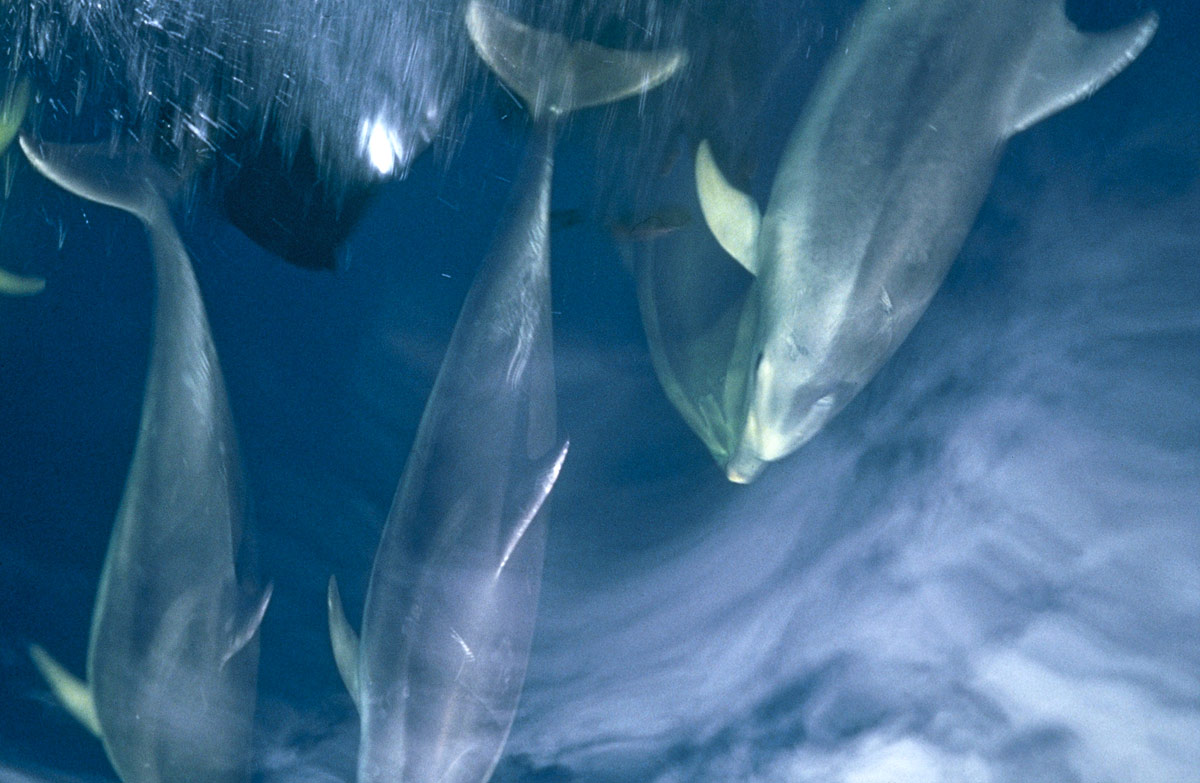
- 3DOC says around 66 bottlenose dolphins are resident in Doubtful Sound/Patea and 120 in Tamatea/Dusky Sound, as at 2025.
- 4DOC's rule everywhere: do not approach or feed wildlife, and let close contact be at the animal's initiation.
01 / Start with the short answer
What wildlife can you see in Fiordland?
Kea, tawaki, fur seals and bottlenose dolphins in the wild; takahē at the Te Anau Bird Sanctuary; kākāpō nowhere the public can visit.
DOC's pages describe some of New Zealand's rarest birds living in Fiordland, and say where a visitor can and cannot see them. DOC lists the Kepler, Routeburn, Key Summit and Milford tracks and the Homer Tunnel area as places to see kea. Tawaki, the Fiordland crested penguin, can be seen in Milford Sound in their season. DOC says bottlenose dolphins, New Zealand fur seals (kekeno), tawaki and little blue penguins (kororā) are resident in the fiords, and RealNZ, a cruise operator, says the dolphins, seals and both penguins are present year round, with tawaki less predictable. Takahē live wild in the Murchison Mountains, but DOC points visitors to Punanga Manu o Te Anau/Te Anau Bird Sanctuary for a glimpse of them. Kākāpō are part of Fiordland's history, but DOC says there is currently no place where the public can see them in person. Everything here is from DOC unless another publisher is named, and no sighting is promised.
02 / At a glance
How many are there, and where?
DOC's own figures, each with its date where DOC gives one.
| Animal | Numbers, from DOC | Where |
|---|---|---|
| Takahē | Around 500 as of October 2023 | Murchison Mountains in Fiordland, Gouland Downs in Kahurangi National Park and the Greenstone Valley |
| Kea | 1,000 to 5,000, classed Threatened, Nationally Endangered | Only in New Zealand; DOC lists the Kepler, Routeburn, Key Summit and Milford tracks and the Homer Tunnel area |
| Tawaki | 2,500 to 3,000 breeding pairs, in decline since the 1950s | Milford Sound, and the coast near Long Reef at Martins Bay |
| Kākāpō | 325 alive today, on an undated DOC page | Protected offshore islands and a fenced mainland sanctuary; no public viewing |
| Fur seals (kekeno) | The most common seals in New Zealand, population growing | Resident in the fiords |
| Bottlenose dolphins (aihe) | Around 66 in Doubtful Sound/Patea and 120 in Tamatea/Dusky Sound, as at 2025 | One of New Zealand's three main coastal populations |
03 / The birds
Which birds is Fiordland known for?
The takahē, the kea, the tawaki and, in its history, the kākāpō.
Takahē
Kea
Tawaki
Kākāpō
Kiwi
Forest birds
When is the best time to see tawaki?
Our Fiordland through the year guide gives DOC's tawaki season, July to November, beside what DOC says about other animals through the year.
04 / In the water
Seals and dolphins
Fur seals are common and growing; Fiordland's bottlenose dolphins are few, and DOC protects them closely.
DOC says kekeno, New Zealand fur seals, are the most common seals in New Zealand and their population is growing. All seals, whales and dolphins are protected under the Marine Mammals Protection Act 1978. Fiordland has one of New Zealand's three main coastal bottlenose dolphin populations. DOC says research in 2008 estimated the Doubtful Sound dolphin population at 56, down a third since 1994; protection measures were introduced that year and the population has slowly increased since. DOC's bottlenose dolphin page gives around 66 as at 2025. Dolphins also turn up away from the big fiords: DOC says schools of dolphins regularly visit Lake McKerrow/Whakatipu Waitai via the Hollyford River mouth, and that seals and tawaki can be seen on the coast near Long Reef at Martins Bay from July to November.
05 / Marine reserves
What lives under the surface of the fiords?
Life squeezed into the top 40 metres under a freshwater layer, and one of the world's largest populations of black coral trees.
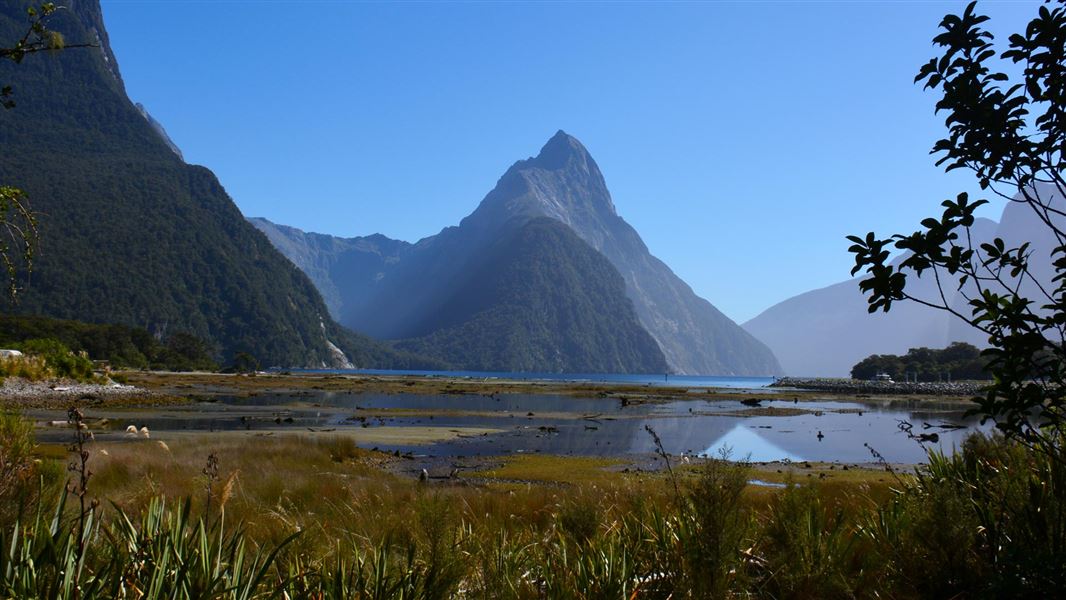
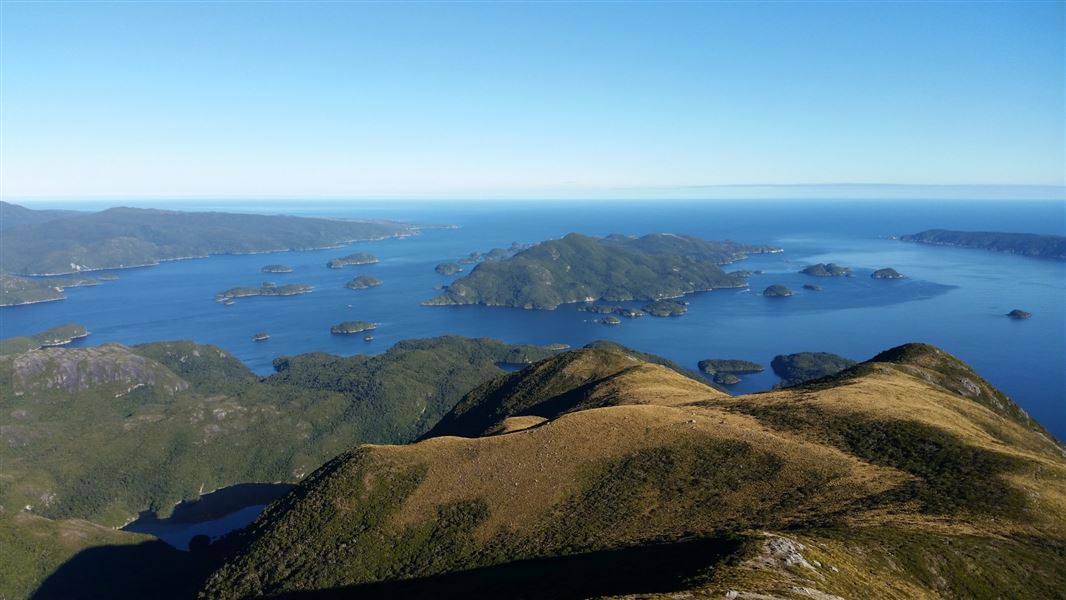
DOC says Fiordland's ten marine reserves border the national park and run from Milford Sound in the north to Preservation Inlet in the southwest. Piopiotahi (Milford Sound) Marine Reserve is one of them, and Doubtful Sound holds three. Heavy rainfall creates a permanent freshwater layer on the fiords, from 5 centimetres to over 10 metres deep and stained by tannins, which DOC says restricts most marine life to the top 40 metres. Under it, the fiords hold one of the world's largest populations of black coral trees, about 7 million colonies, some up to 200 years old. In a marine reserve, DOC's rules are no fishing of any kind; do not take, kill, remove or disturb marine life or materials; do not feed fish; and take care when anchoring.
06 / How to behave
How should I behave around Fiordland's wildlife?
Keep your distance, never feed anything, and on the water follow DOC's dolphin rules.
- 01Let them come to you.
DOC says do not approach dolphins, fur seals or penguins in the fiords, and let close contact be at their initiation.
- 02Never feed a kea.
DOC says kea and other wildlife must not be fed, because human food can harm them and change their behaviour.
- 03Give tawaki room.
DOC says tawaki are very timid: do not approach birds, nests or beaches where penguin tracks are common.
- 04Leave pets at home.
DOC says no pets are allowed on conservation land, including national parks, even in your vehicle. Its tawaki page adds: keep dogs leashed around penguin areas.
- 05Near dolphins in a boat, slow down.
DOC says approach from the side and slightly behind, go at no wake speed within 300 metres, and do not approach if three or more boats are already within 300 metres.
- 06In Doubtful Sound, respect the zones.
DOC says Dolphin Protection Zones extend 200 metres from shore: do not enter them if dolphins are present, keep to five knots or idle inside them, and leave dolphin encounters to chance.